


The National Stewardship Action Council convenes national, cross-sector working groups that support organizations navigating circular economy policies, Extended Producer Responsibility (EPR) implementation, and scalable solutions as this work accelerates in 2026 and beyond.
These working groups are designed to help participating organizations:
-
Advance organizational and business goals
-
Navigate circular economy policies and implementation pathways across states
-
Share practical insights that support scalable, real-world solutions
-
Help protect and honor essential workers across the recycling and waste system
-
Unlock environmental, economic, and public health benefits for communities nationwide
Participation is structured to grow with your organization, using revenue- and population-based models grounded in fairness and equity, ensuring accessibility while supporting deeper engagement as programs scale.
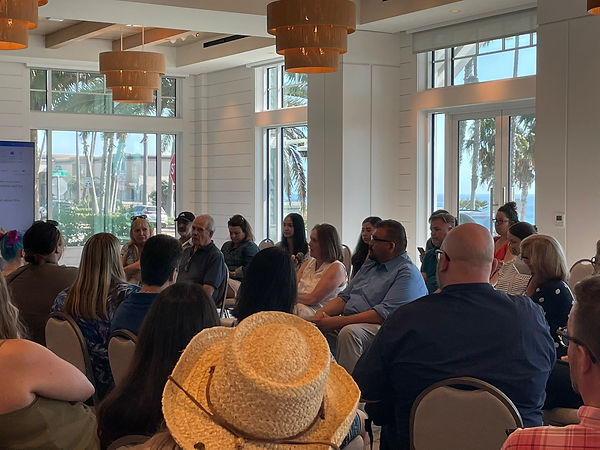
"I've been a part of several NSAC/SAF working groups and always come away from the meetings with a better understanding of the issues and new connections that will help us here in Nebraska! Thank you again for facilitating these working groups!"
- Director Kent E. Holm, Douglas County Environmental Services
Packaging / EPR Implementation Working Group
(formerly SB 54 Working Group)
Originally launched to support implementation of California’s SB 54, this effort is expanding in 2026 into a national Packaging / EPR Implementation Working Group as circular economy policies accelerate across states.
This national working group brings together producers, recyclers, haulers, retailers, local governments, and other system stakeholders to focus on:
-
Implementing packaging and circular economy solutions at scale
-
Translating policy into practical, operational pathways
-
Sharing lessons learned to inform national models and business planning
Participants gain early insight into emerging approaches and implementation strategies shaping packaging systems across the country.
Recycling Refund Working Group
Advancing Deposit Return Systems Nationwide
The Recycling Refund Working Group focuses on scaling effective deposit return systems (DRS) across the country. The group includes experts and advocates from states introducing or advancing container redemption legislation, and has played a key role in efforts like Texas HB 2048, which gained strong bipartisan support.
What’s included:
-
Regular meetings with legislative updates and strategy discussions
-
Technical assistance and coordination on state and federal DRS efforts
Household Hazardous Waste (HHW) Working Group
Collaborating on EPR for Household Hazardous Waste
This national working group addresses high-risk products and toxic contamination that impact worker safety, community health, and system performance.
Current focus areas include:
-
Batteries and battery-containing products
-
Vapes and e-cigarettes
-
Marine flares
-
Toxic contamination across the waste and recycling stream
New for 2026:
The HHW Working Group is expanding beyond local governments to include haulers, recyclers, producers, stewardship organizations, and other system stakeholders, reflecting the shared responsibility required to develop scalable solutions that protect essential workers and communities nationwide.
Illegal Single-Use Printer Cartridges Working Group
Addressing the Impact of Unregulated, Single-Use Imports
This working group addresses the growing threat of illegal single-use printer cartridges entering the U.S. market—often manufactured overseas without proper labeling or environmental safeguards. These products undermine domestic remanufacturing and pose significant environmental and health risks.
What’s included:
-
Regular strategy calls with legislative and policy updates
-
Technical assistance and coordination with aligned organizations
National Textile Working Group
Shaping Policy and Circularity Solutions for Clothing, Mattresses, Carpet & Furniture
The Textile Circularity Working Group brings together agencies, environmental leaders, and advocates to explore scalable policy and infrastructure solutions to textile waste. Discussions focus on reducing the environmental and public health impacts of the end of life management of textiles including reuse, resale, and recycling.
What’s included:
-
Regular meetings in a precompetitive space with updates on legislation and emerging solutions
-
Shared tools and coordination across sectors and regions
Working Group Minimum Participation Rates
Minimum Participation Rates are Effective September 2025 & good for a full 12 months. These include all membership benefits at the respective membership level, meaning your access to membership benefits will likely increase.
Nonprofits & NGOs
-
Annual Revenue < $1M
→ $1,000 annually
-
Annual Revenue $1M - $5M
→ $2,500 annually
-
Annual Revenue $5M - $25M
→ $5,000 annually
-
Annual Revenue $25M - $50M
→ $7,500 annually
-
Annual Revenue > $50M
→ $10,000 annually
-
Population < 50K
→ $1,000 annually
-
Population 50K -500K
→ $2,500 annually
-
Population 500K – 1M
→ $5,000 annually
-
Population > 1M
→ $7,500 annually
Local Government
-
Population <1M
→ $1,000 annually
-
Population 1-2M
→ $2,500 annually
-
Population 2-6M
→ $5,000 annually
-
Population 6-15M
→ $7,500 annually
-
Population >15M
→ $10,000 annually
States and Territories
Businesses
(C Corp, B Corp, S Corp, Etc.)
-
Annual Revenue < 1M
→ $1,000 annually
-
Annual Revenue $1M - $5M
→ $2,500 annually
-
Annual Revenue $5M - $25M
→ $5,000 annually
-
Annual Revenue $25M - $50M
→ $7,500 annually
-
Annual Revenue > $50M
→ $10,000 annually
Participation Model
A Participation Model Designed to Grow With You
Participation in NSAC’s national working groups follows a revenue- and population-based model that reflects organizational size, capacity, and communities served.
This model is rooted in fairness and equity, allowing organizations to:
-
Participate at a level aligned with their scale
-
Grow their engagement as their business, community, or programs expand
-
Contribute to solutions that deliver environmental, economic, and public health benefits while protecting frontline workers
A note on fairness and flexibility:
-
Any renewing member unable to meet the working group rate may continue to enjoy full membership benefits of the National Stewardship Action Council/Stewardship Action Foundation. Only Working Group access will change.
-
We can offer flexible invoicing terms to support your continued participation.
-
If you have questions, please contact Heath at heath@nsaction.us
Want to Join a Working Group?
Are you ready to take part in a working group or want to learn more before deciding? Fill out the form below and a member of our team will follow up with next steps.
Antitrust Compliance: Required for All Participants
Our Working Groups are a collaboration amongst industry interest-holders committed to addressing Packaging EPR implementation, HHW, Textile Circularity, Recycling Refunds, and Illegal Clone Ink Toner Cartridges. The dialogue functions shall not be used to obtain unlawful company advantages or achieve any anti-competitive objectives for any segment of the group. It is required that our participating companies and members avoid any conduct that might violate or appear to violate antitrust laws and, during all dialogue meetings, please refrain from discussion of prices, pricing policies, terms, or conditions of doing business and/or market allocation. Please avoid any discussion that may be viewed as exclusionary, including discussions that may suggest that a dialogue member ceased to do business with a specific supplier or customer. These guidelines also refer to any discussion that happened in breaks or informal settings. If, at any time, a topic raises concern for a participating group or member, we will stop the conversation and get legal advice.